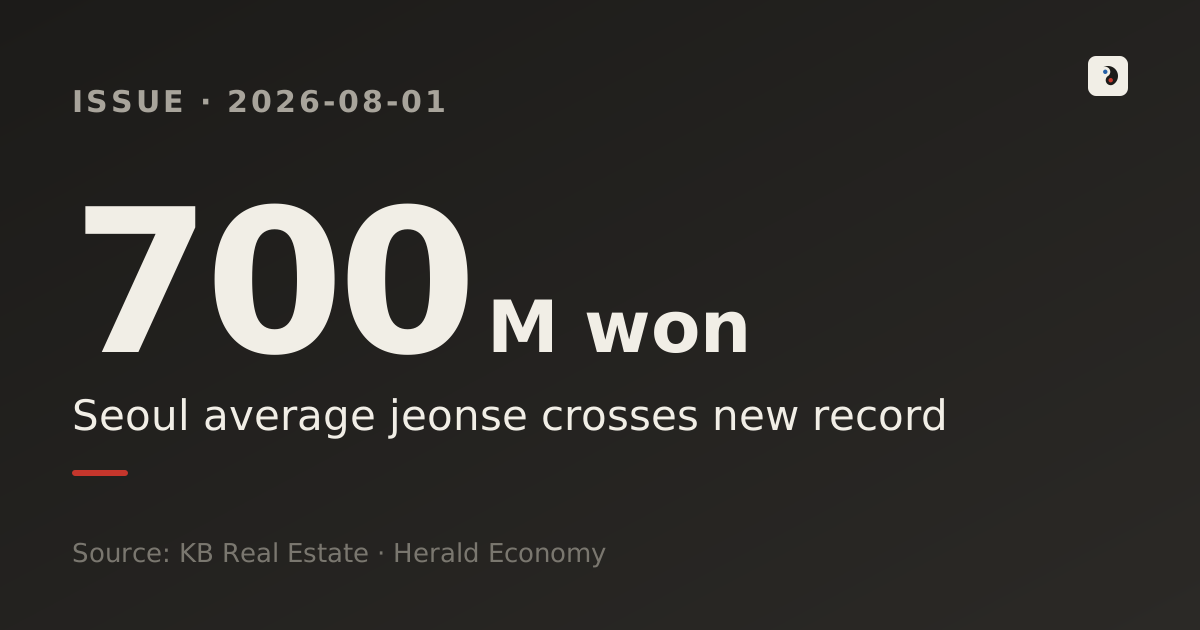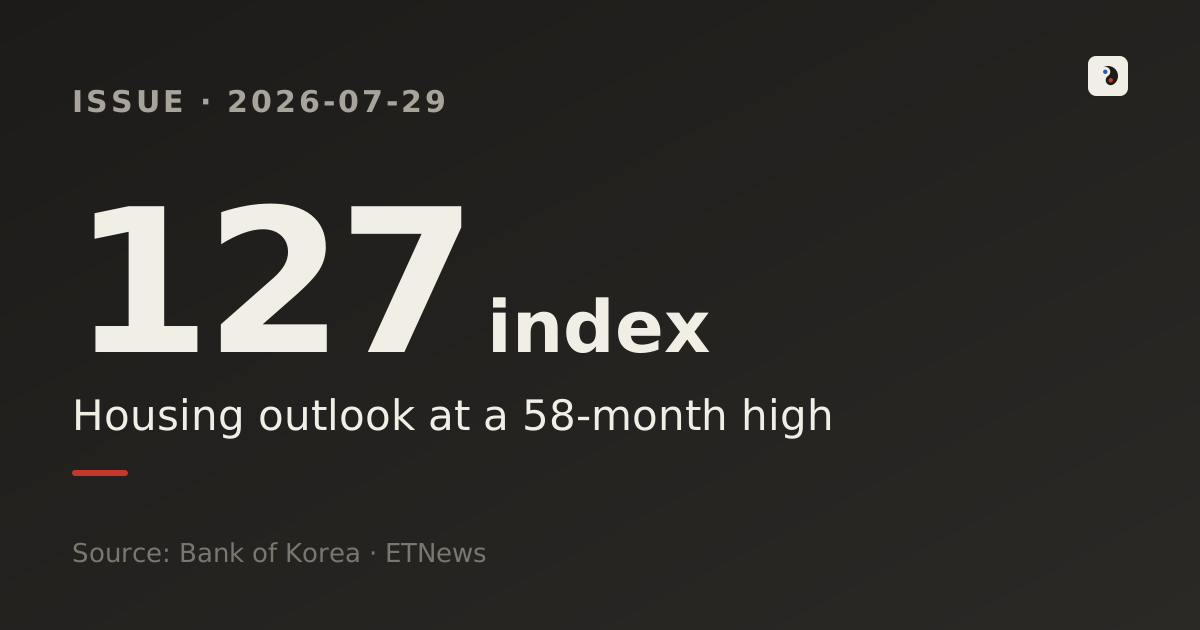
Bank of Korea data show the housing price outlook index jumped to 127, a 4-year-10-month high, even after a rate hike. Here's why supply, not cheap money, is driving the surge.
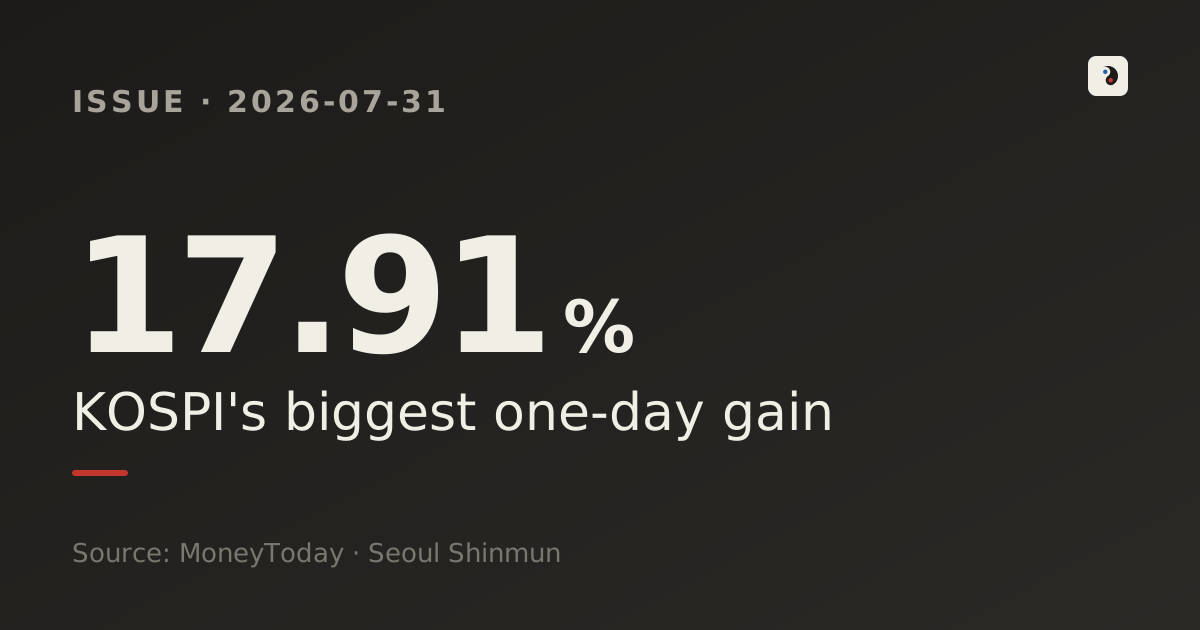
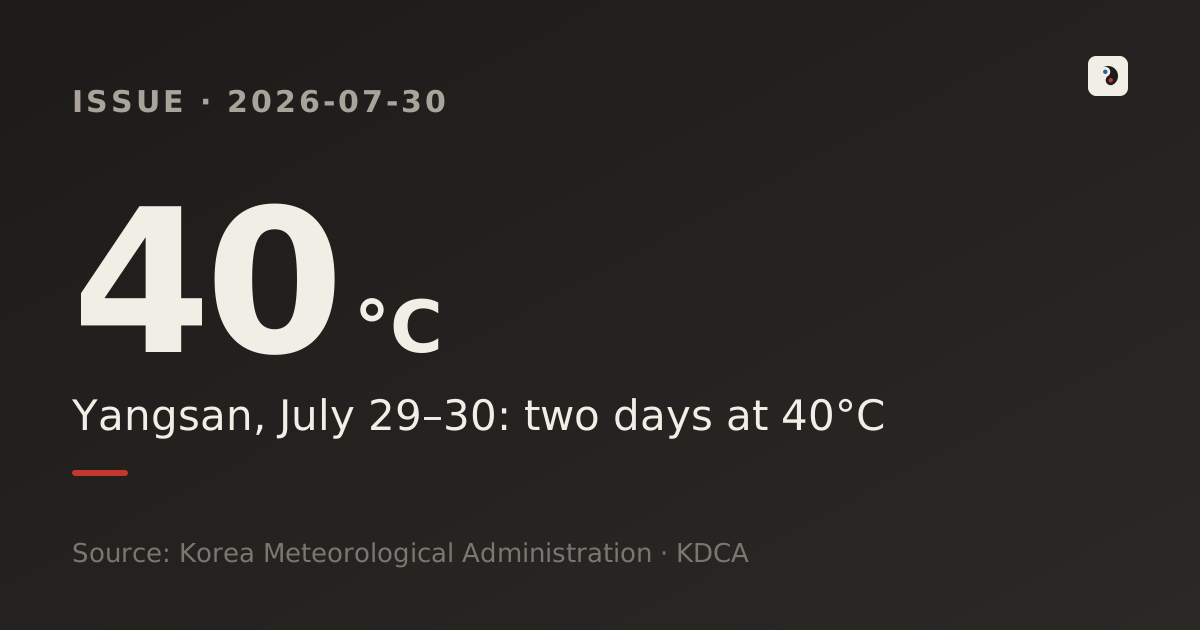
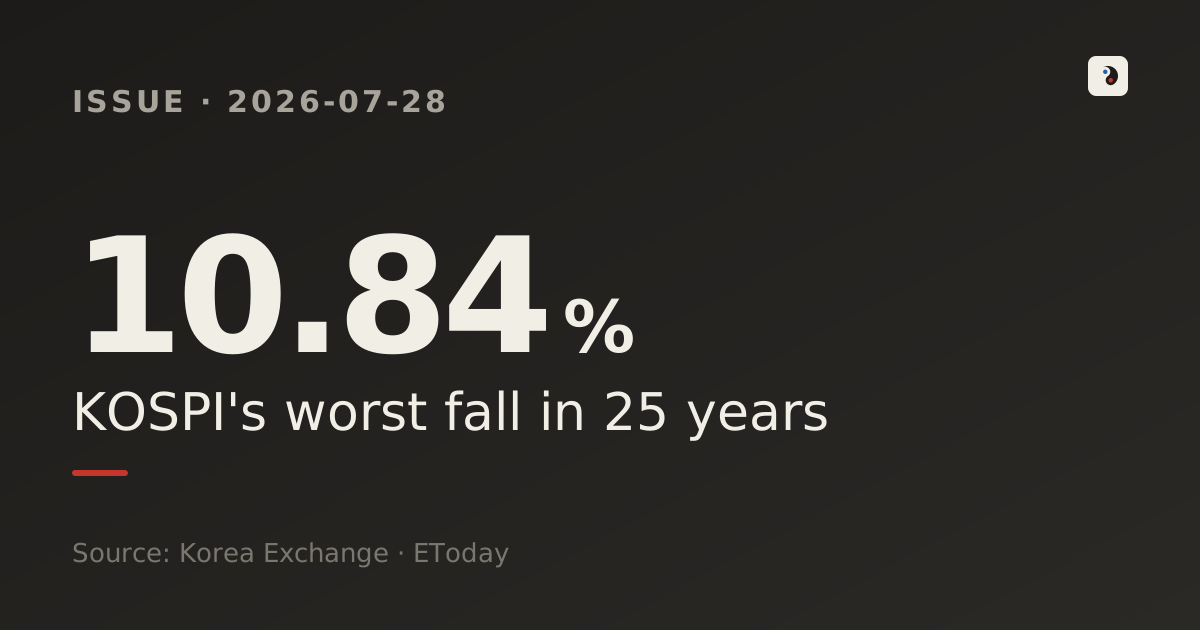
The KOSPI plunged 10.84% to 6,023.66 — its steepest one-day fall since September 2001 — as China chip fears crushed Samsung and SK Hynix. We also unpack Korea's record 6.7% welfare benchmark increase and why the real heat-wave risk starts this week.
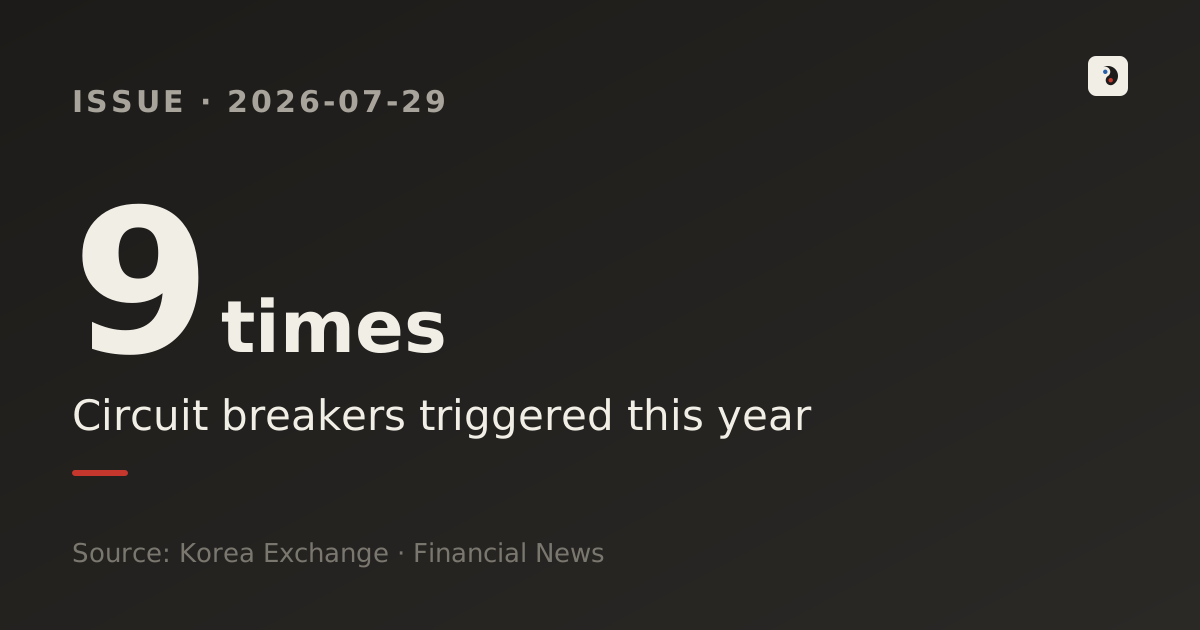
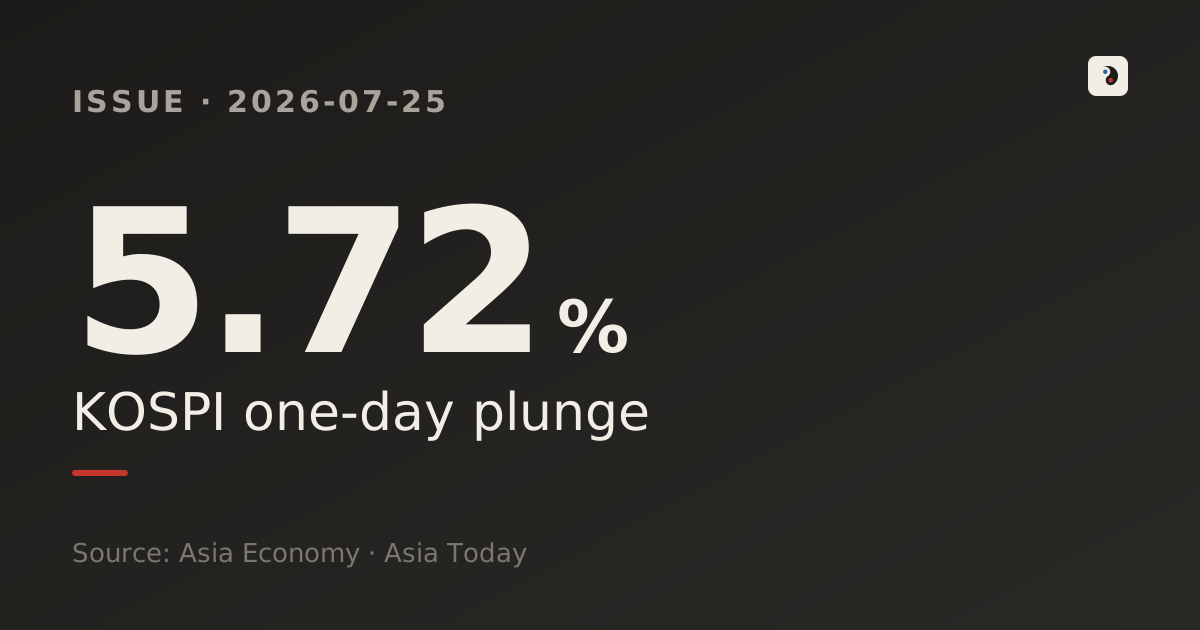
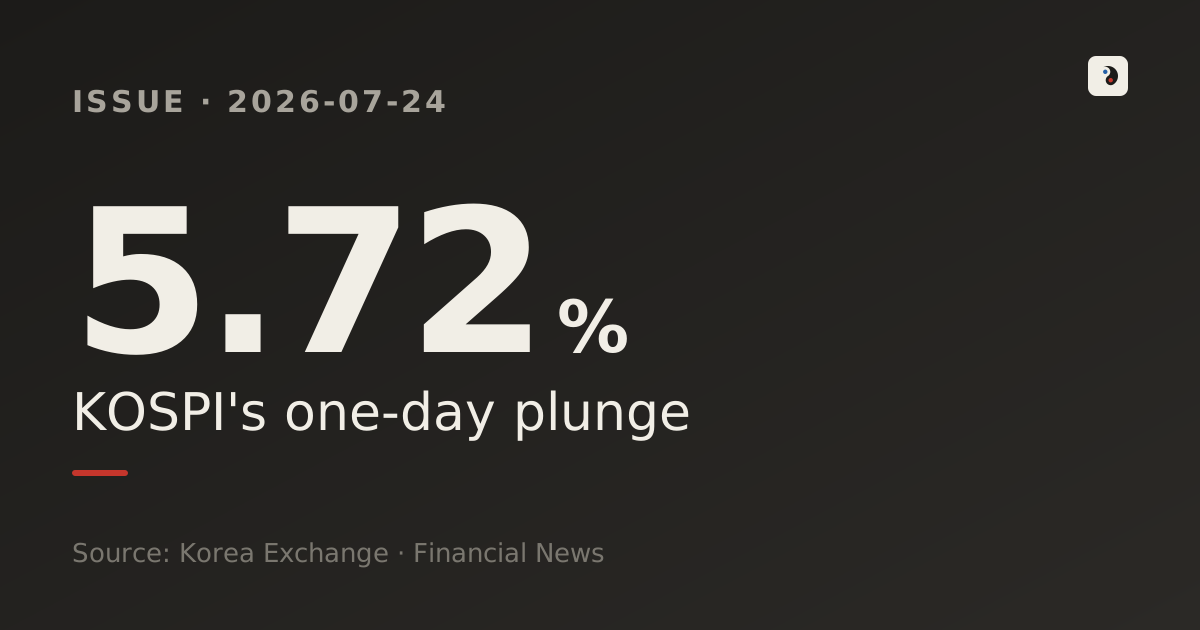
South Korea's KOSPI sank 5.72% in a day and triggered a sell-side circuit breaker. What a record 45 triggers this year reveal about the chip rally's future.
Korea's KOSPI plunged 5.72% to 6,690 the day a 12.5% US forced-labor tariff took effect. How today ranks against history's worst crashes, how the tariff cap really works, and the fandom economics behind 3.09 million albums.
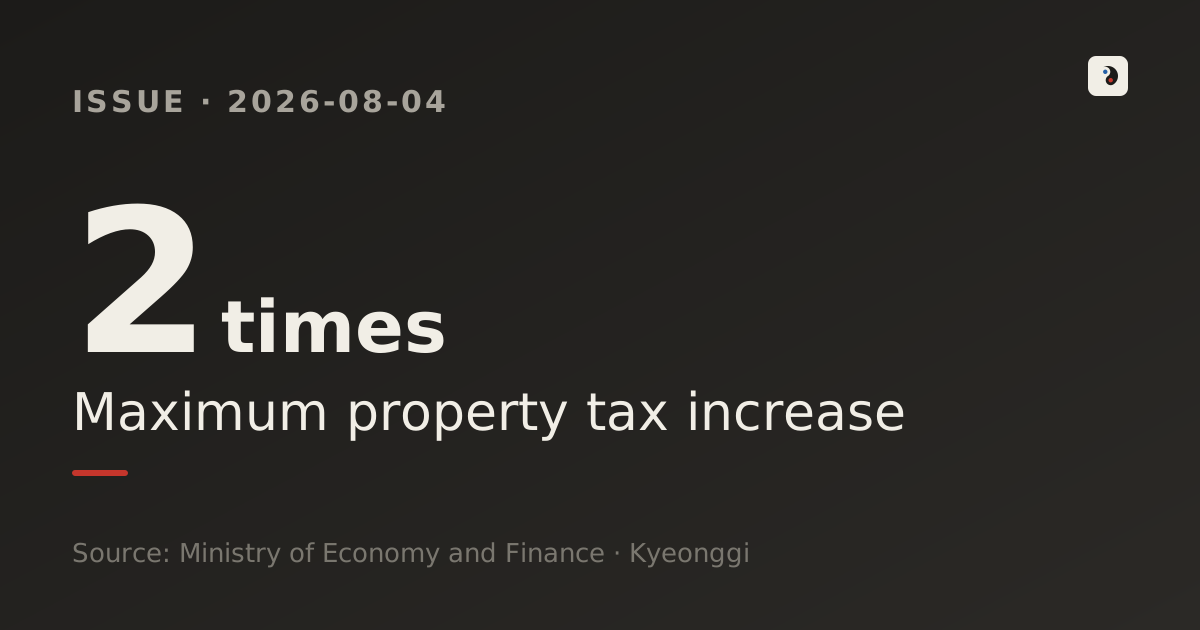
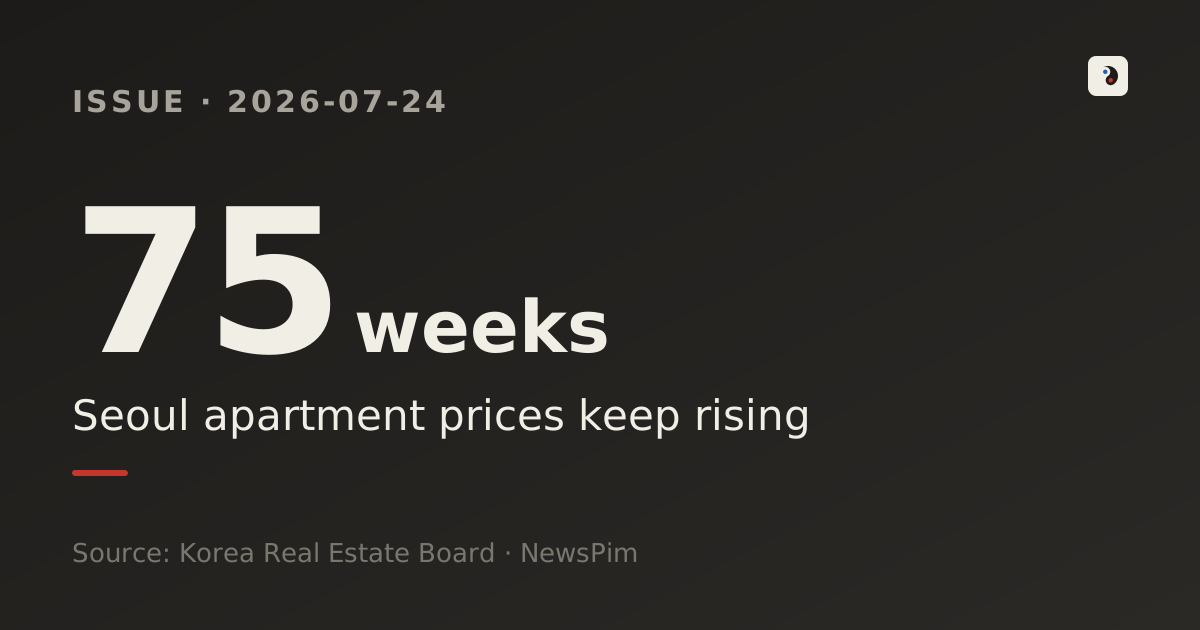
Seoul apartment prices have risen for 75 straight weeks, closing in on the 85-week record under the Moon administration — even after a rate hike. Here's why Korea's coming tax overhaul could be different, in numbers.
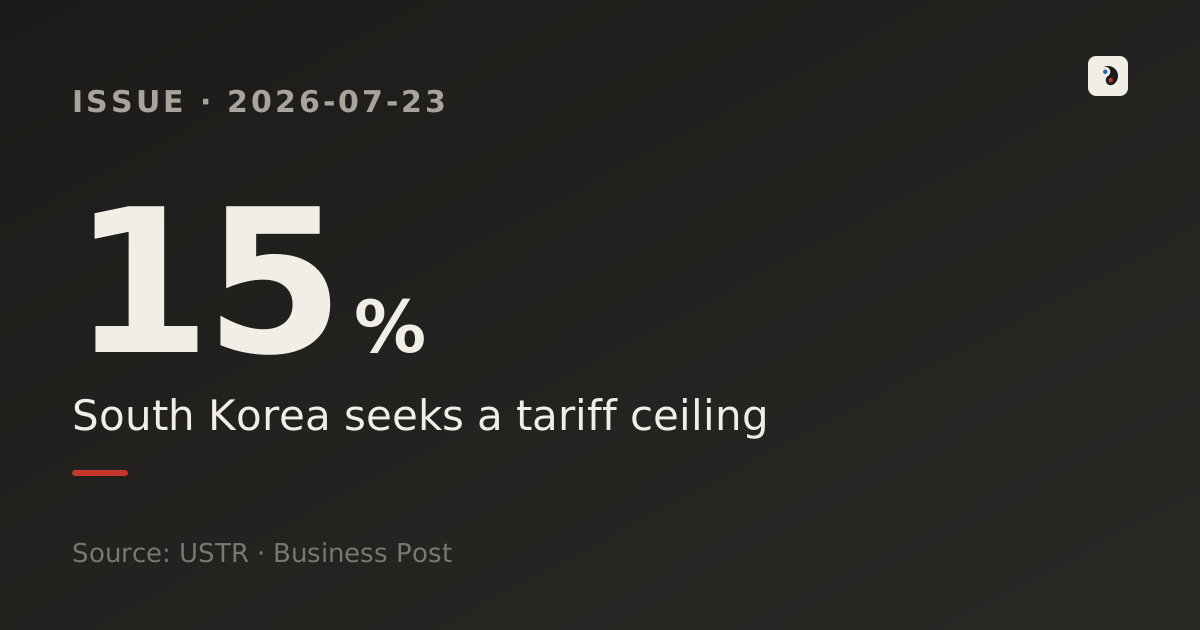
The 10% US global tariff expires July 24 — here is the math behind the 15% cap Korea is fighting to keep, the ten late-July days that concentrate 30% of heat illness cases, and the 15-trillion-won war chest China's CXMT just raised to chase Samsung in DRAM.
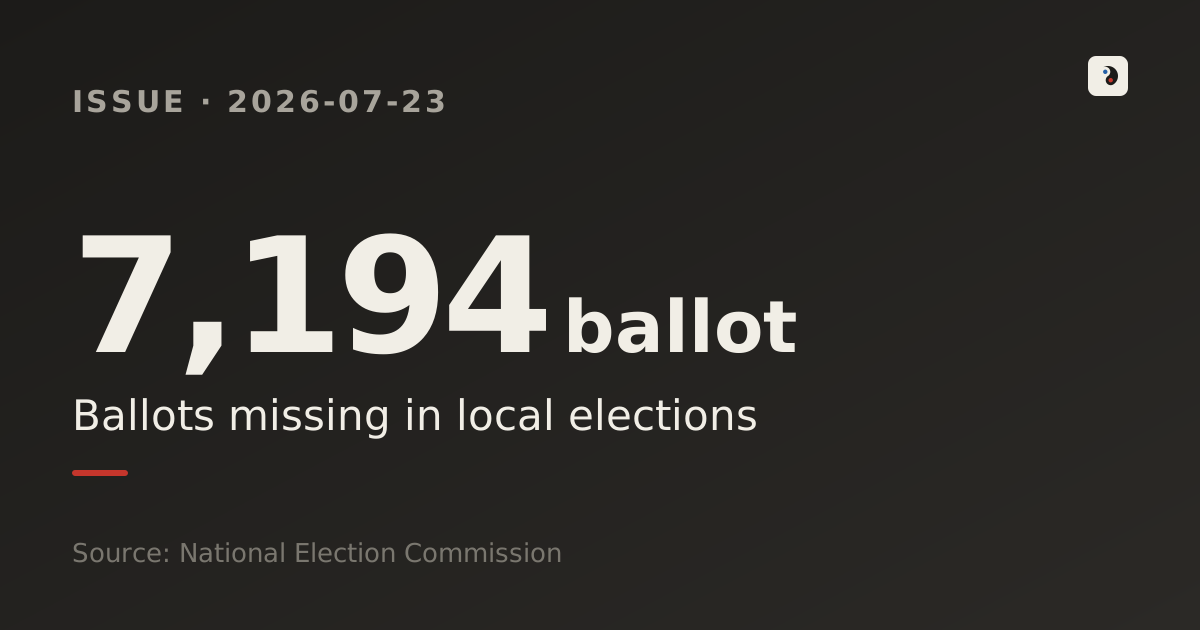
South Korea's June 3 local elections came up 7,194 ballots short, halting voting at 26 sites for up to 105 minutes. A special counsel is now being picked, July 23 — here's what went wrong.
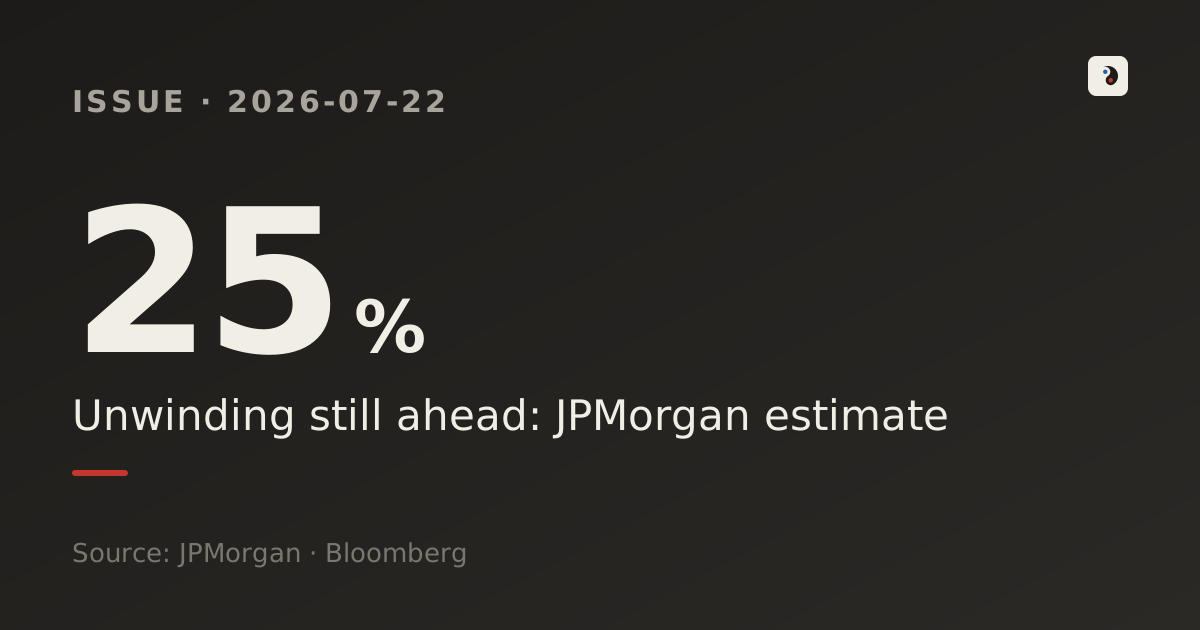
KOSPI spiked 5% to 7,166 intraday but closed at 6,797.70, up just 0.74% — JPMorgan puts the margin unwind at 75% done. Plus why a 10m won fine could unseat Seoul's mayor, and why a 10-month diplomat data breach was disclosed 5 months late.
South Korea's special counsel probe just hit a record 690 days and 2.7 billion won in added funding — already longer than the U.S. Mueller investigation. Here's why, and what's left to prove.
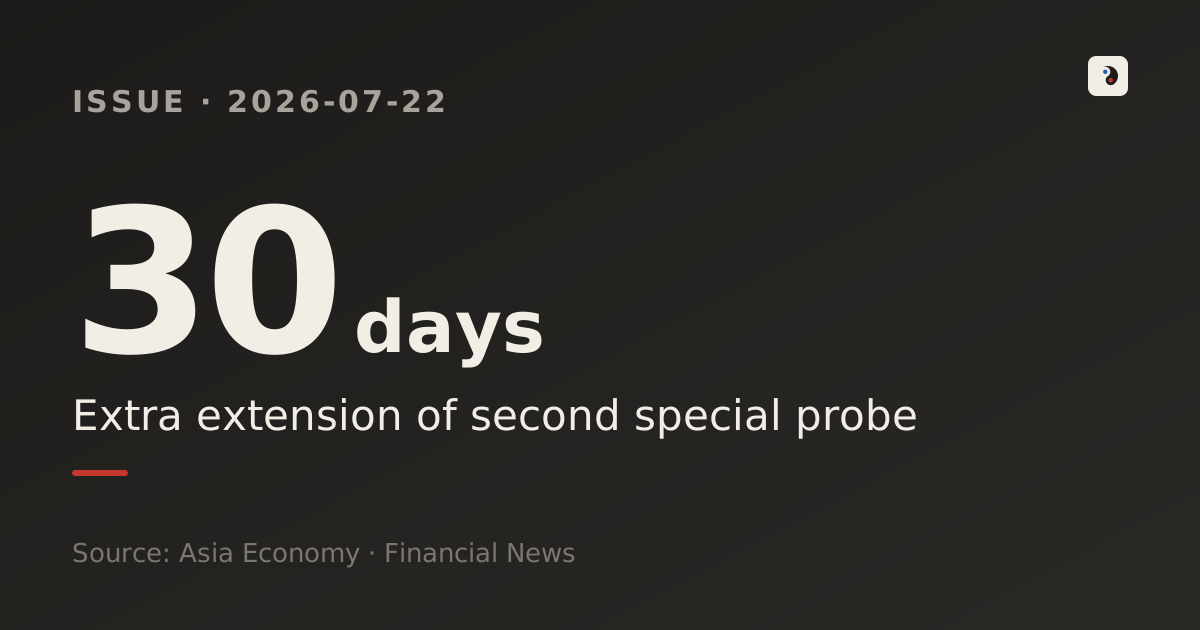
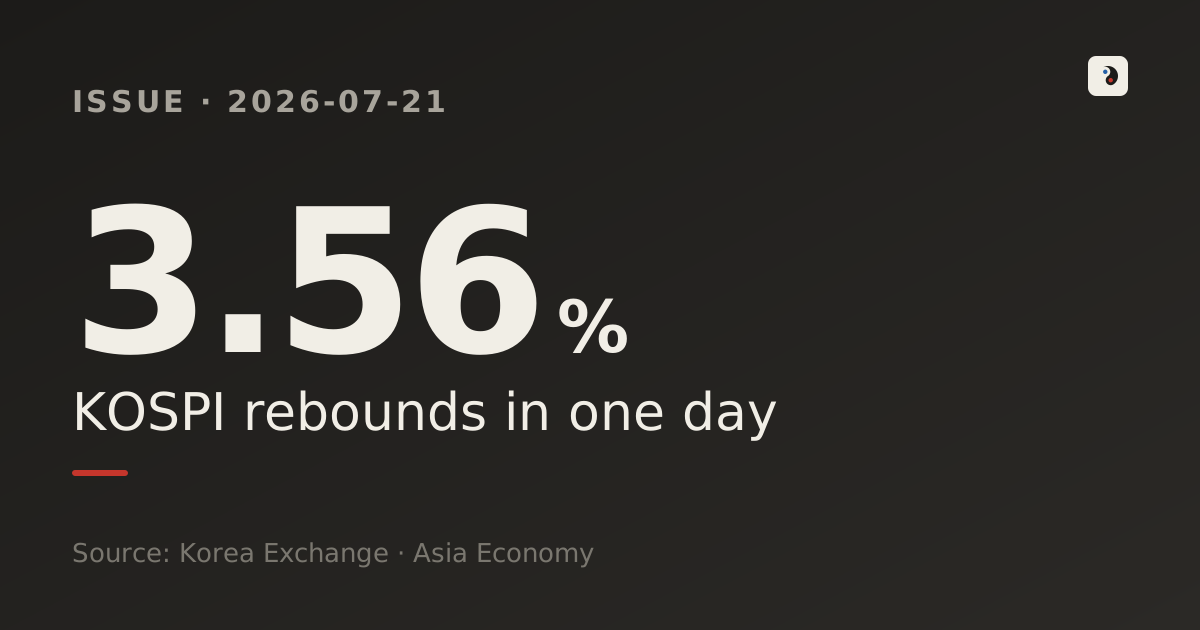
KOSPI bounced back 3.56% to 6,747.95 one day after its 4.46% crash. The three forces behind the rebound, a 30-day special counsel extension that ended a 50-day parliamentary standoff, and 120mm more rain on saturated ground — with context the headlines skip.
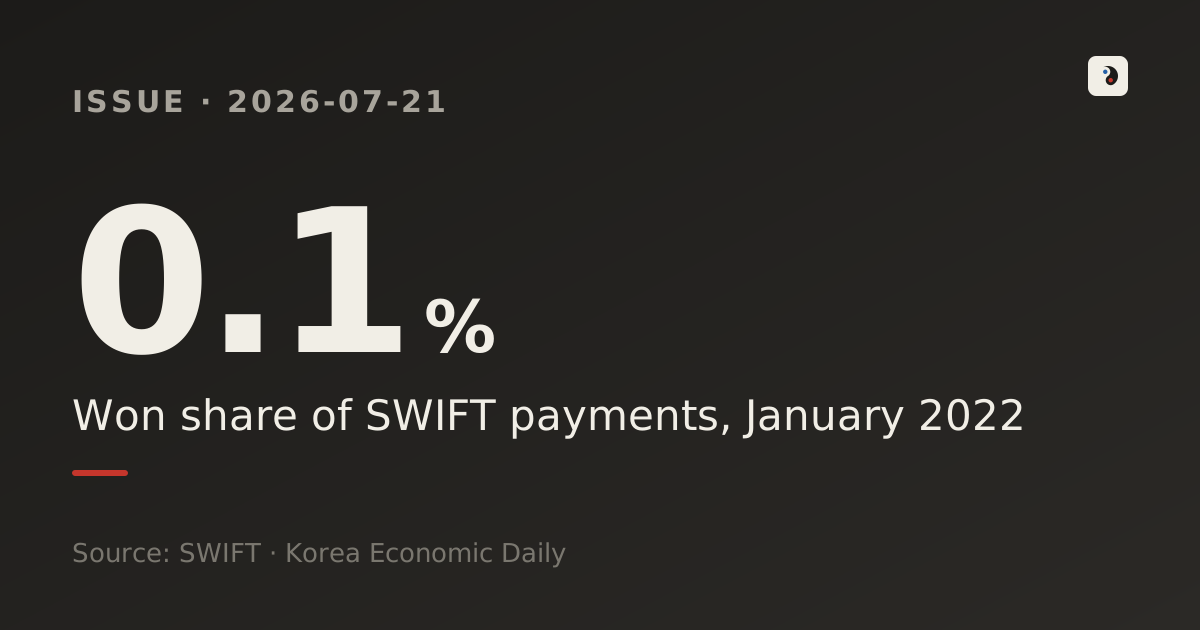
South Korea's won makes up only 0.1% of global payments, outside the top 20. Here's how Seoul's new 2026 roadmap aims to fix that — and the risks that come with it.
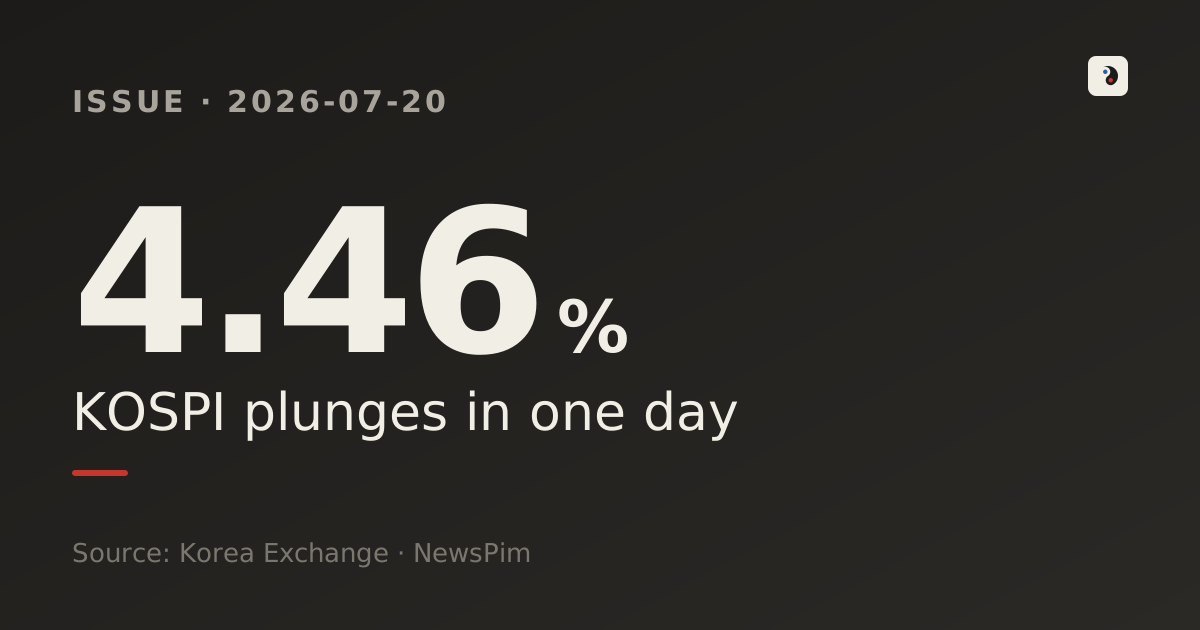
KOSPI fell 4.46% to 6,516 after China's Kimi K3 AI model rattled chip stocks. Here's the DeepSeek precedent, how to prepare for 80mm-per-hour rain on tomorrow's Seoul commute, and why BTS's first-ever World Cup halftime show matters.
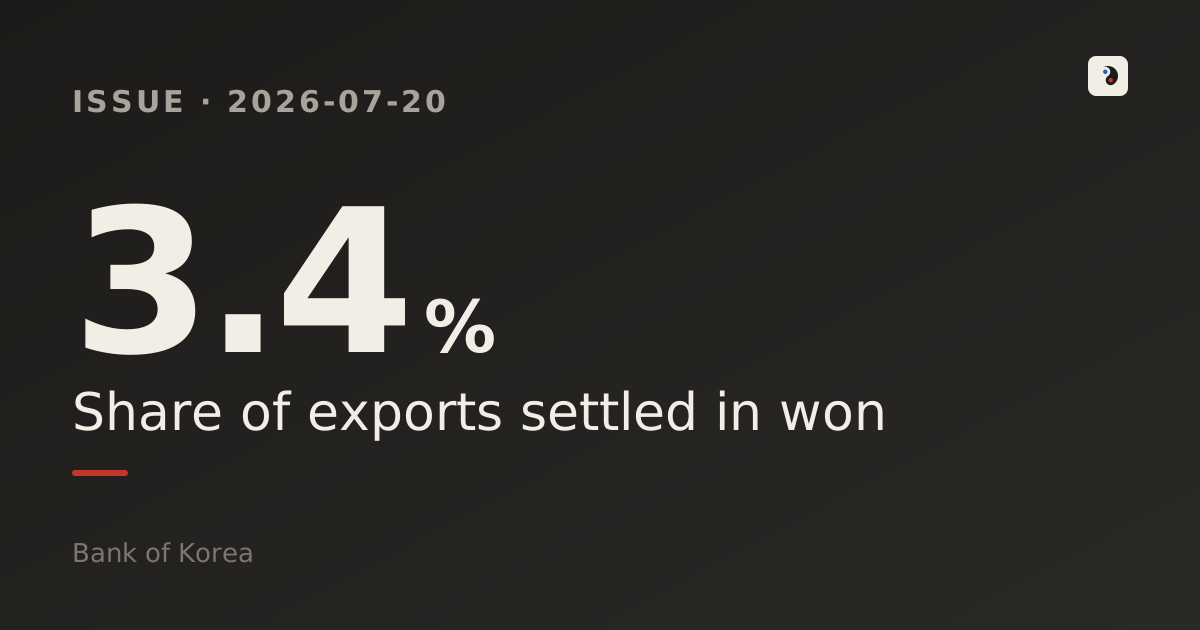
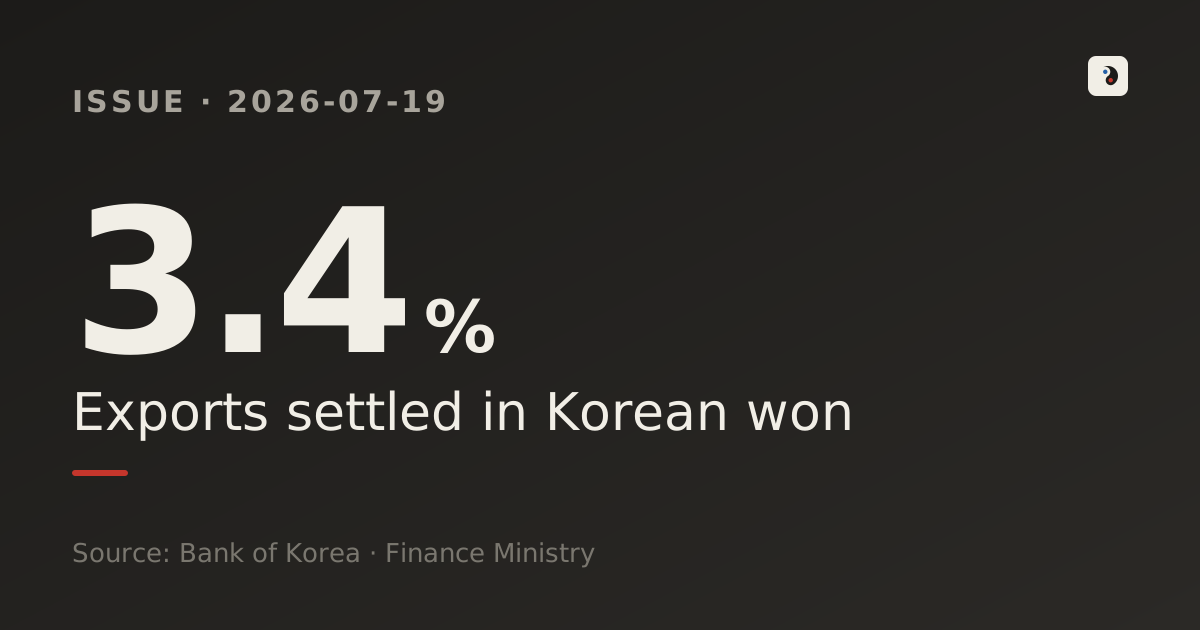
Seoul just unveiled a plan to free the won after 30 years as a 'restricted currency.' Yet won settles just 3.4% of Korean exports, versus 84.2% in dollars.
Korea unveiled a roadmap to make the won a freely exchangeable currency — yet only 3.4% of exports settle in won. Plus a night-rain safety checklist after 89mm fell in one hour, and Dplus KIA's first international title in six years.
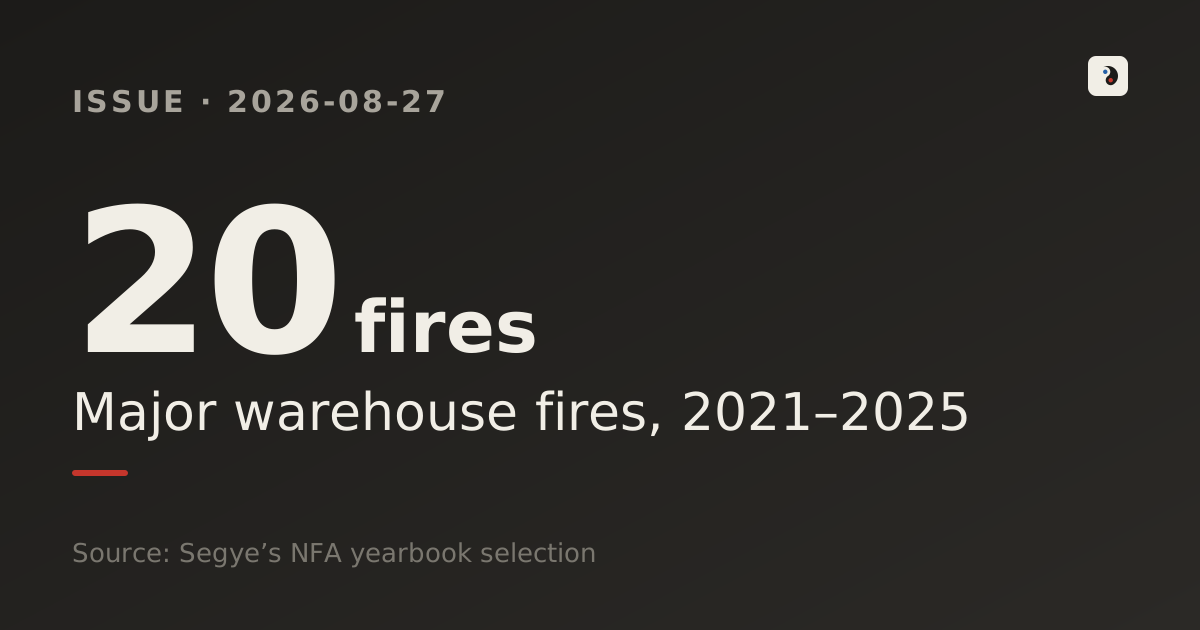
A massive fire at a Coupang warehouse in Incheon triggered Korea's first national fire mobilization order in five years. We examine why safety rules tightened after the 2021 Icheon disaster still left older warehouses exposed.
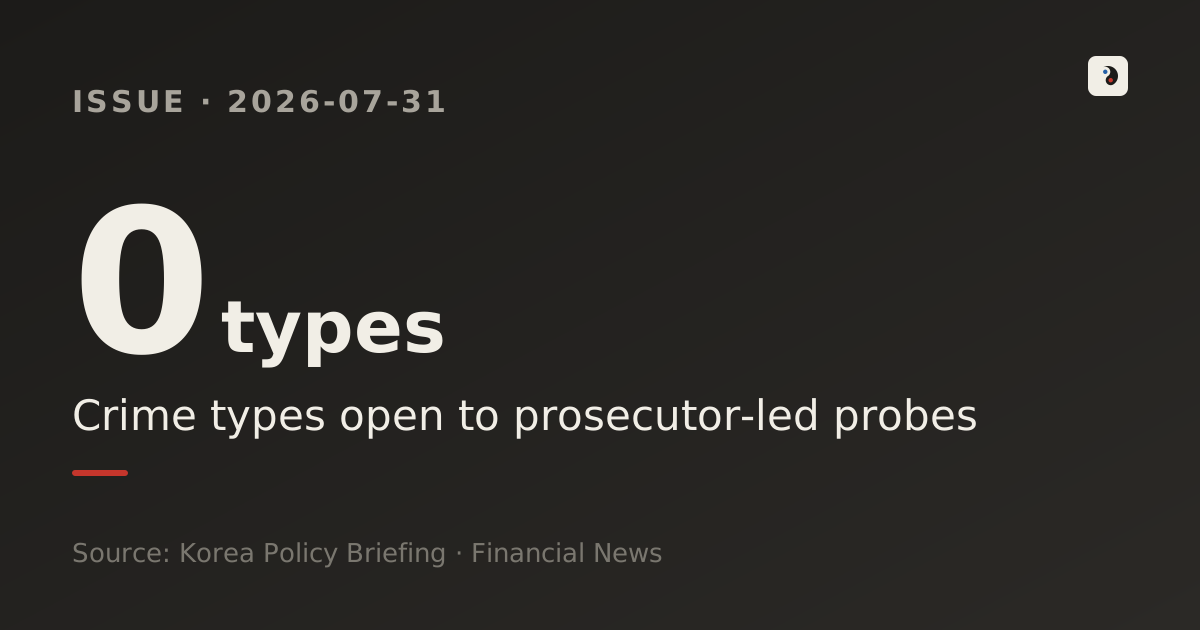
North Korea's foreign minister made her first official visit to Russia in 9 months, and a Gallup Korea poll found 61% want prosecutors to keep supplementary investigation powers. Plus Samsung's first AI glasses due July 22 — three issues unpacked with data the original reports left out.
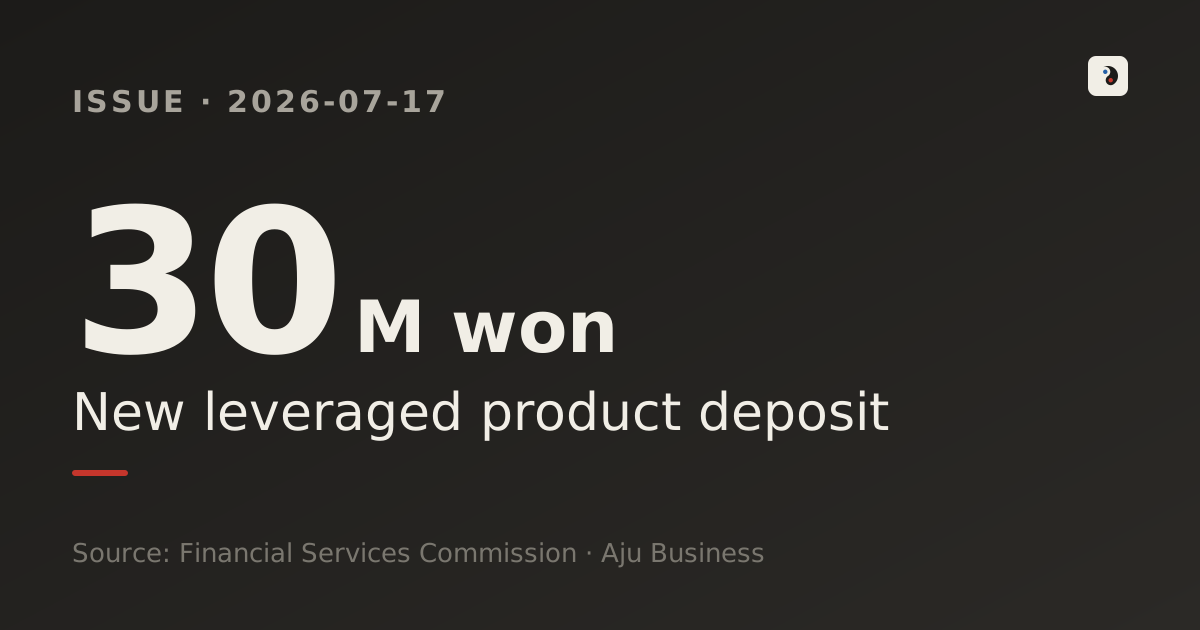
Korea's regulator triples the cash deposit for single-stock leveraged products to 30M won, the government moves to bar under-14s from social media, and K-pop album exports hit a record $257.48M — three stories decoded with background and comparisons.
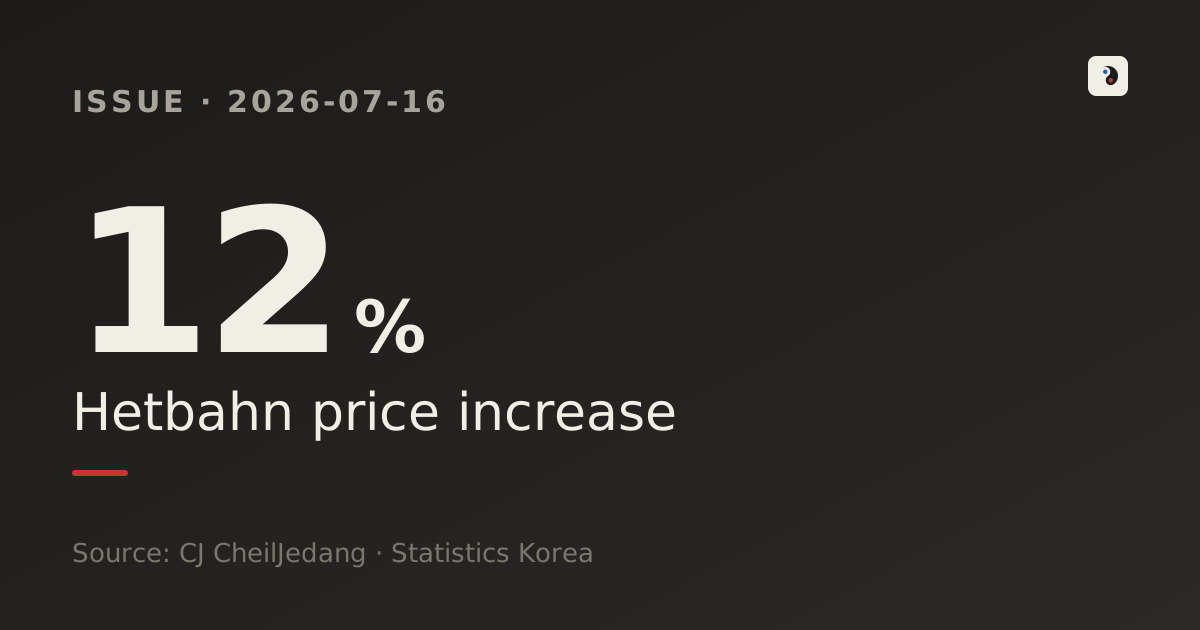
CJ CheilJedang raises 27 grocery items by 8% on average, Korea bets 550 trillion won on AI data centers, and heat illness cases reach 933 before the real peak. Today's three issues, analyzed with data the headlines left out.
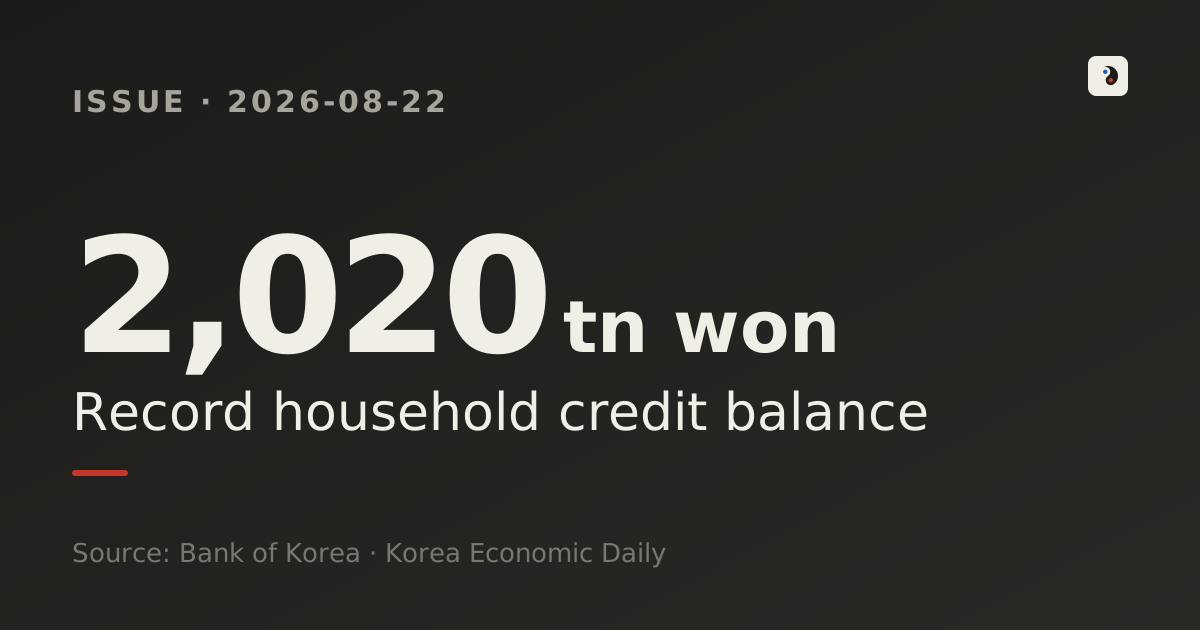
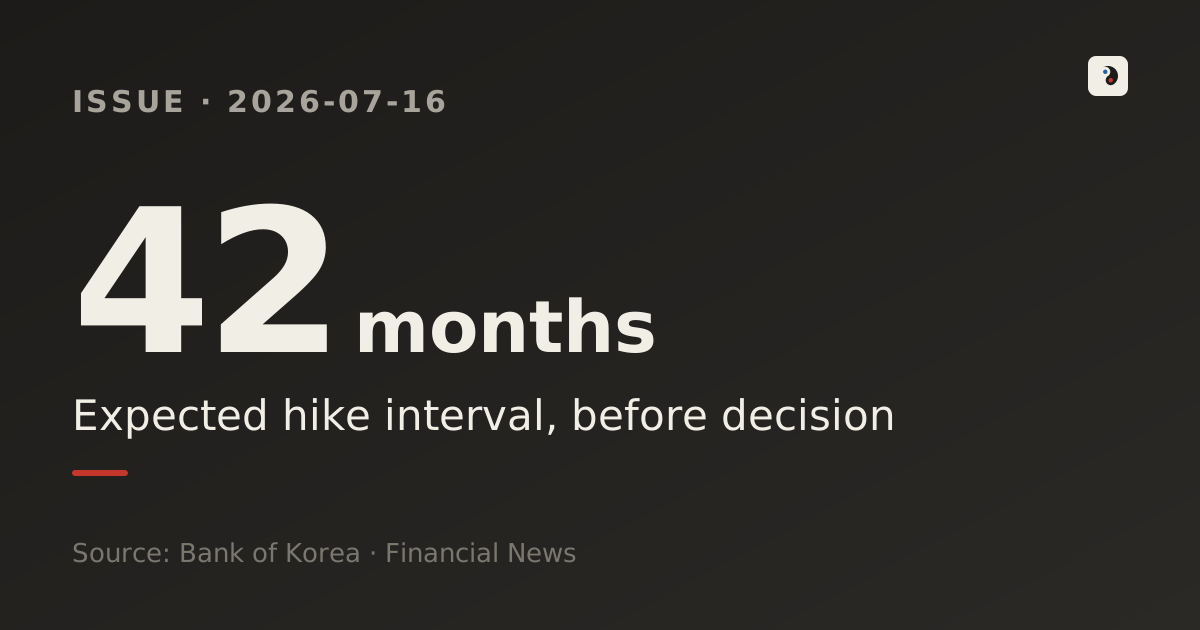
The Bank of Korea is set to raise rates for the first time in 42 months. With household debt nearing 2,000 trillion won, we break down why the pivot is happening now and what it means for borrowers and housing.
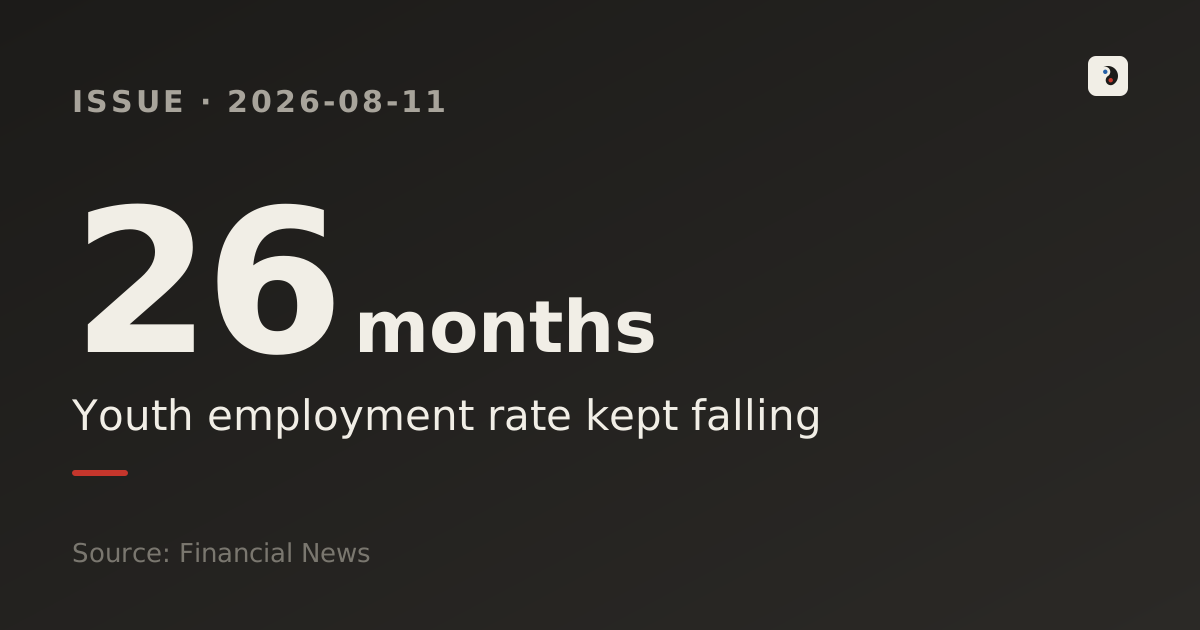
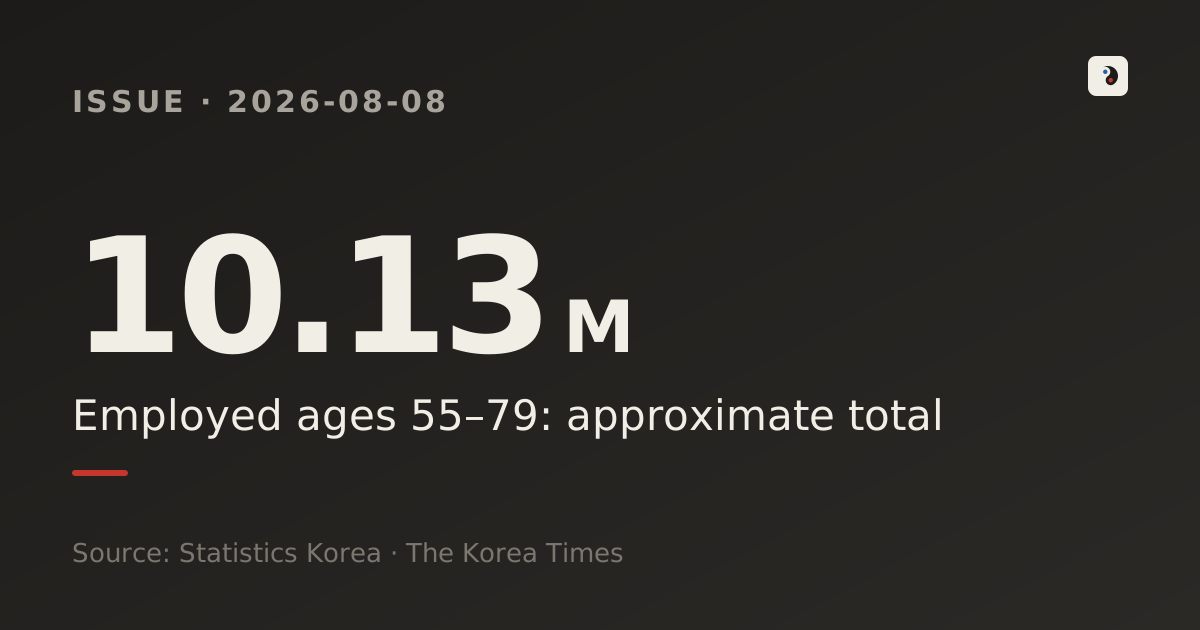
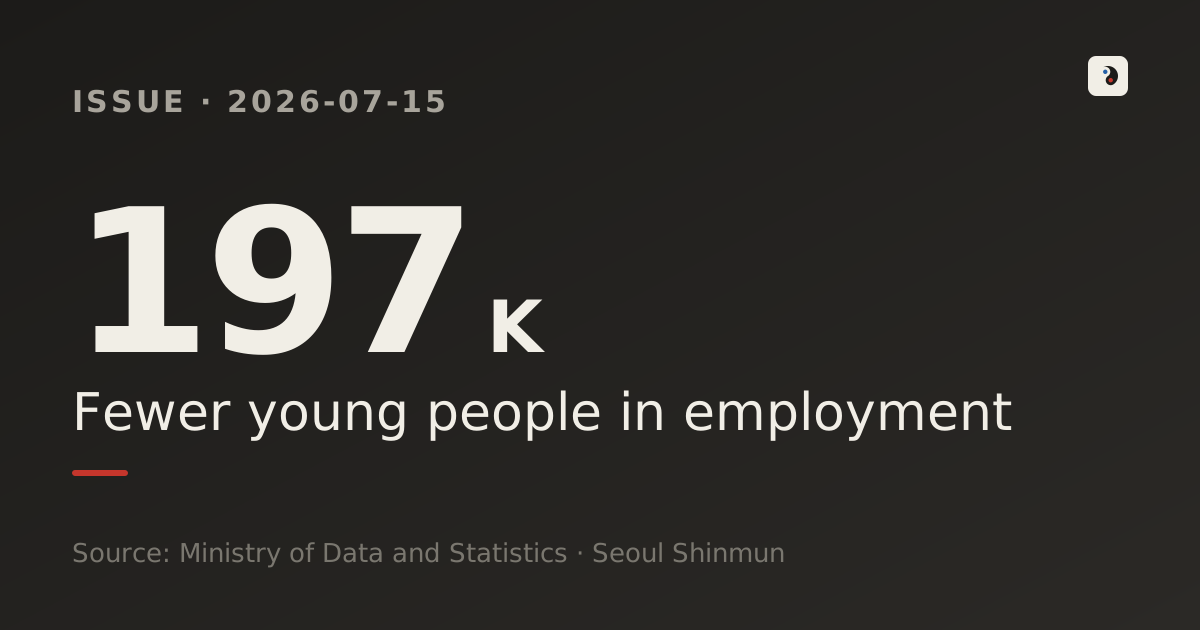
Korea added 63,000 jobs in June while youth employment fell by 197,000. What the rebound hides, a 120mm monsoon-rain checklist, and Samsung's spreading unions.